
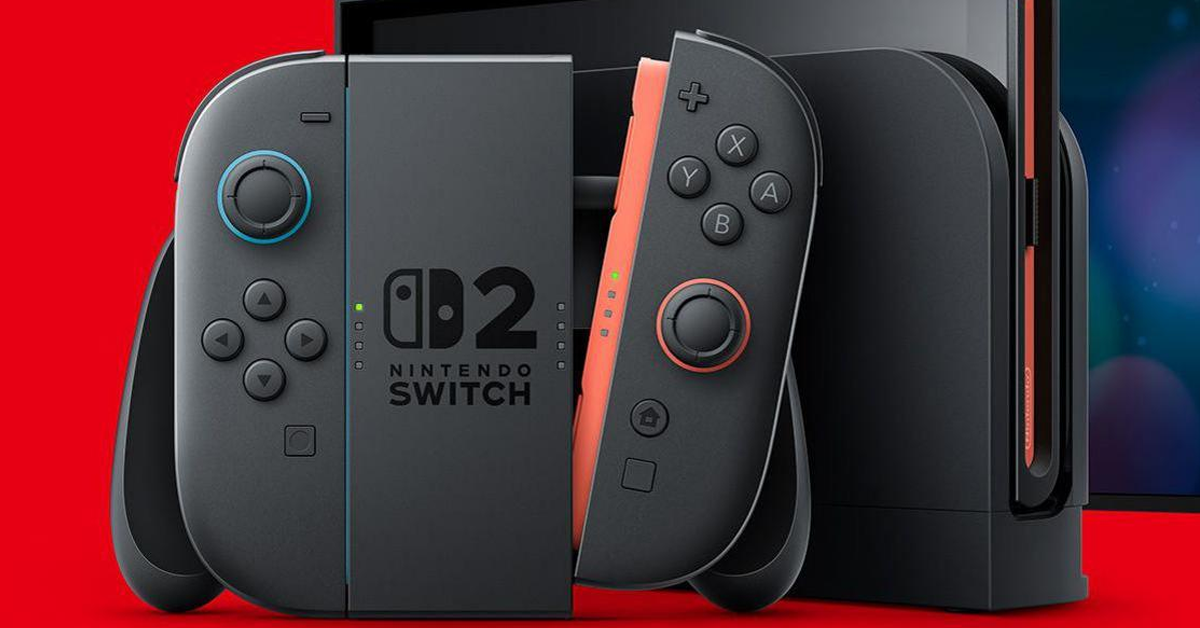
It has been six months since the Nintendo Switch 2 hit the shelves, and the first year of the system is finally coming into focus. With massive expectations, a passionate fanbase, and the challenge of following one of the best-selling consoles of all time, the Switch 2 launched under more pressure than any Nintendo system before it. This video takes a full look at how it has held up so far — from the hardware and performance, to the game library and what real players are saying — to answer the big question: is the Switch 2 a worthy next step or just a slightly upgraded version of the original?
EXPECTATIONS VS REALITY
Going into the launch of the Switch 2, expectations were incredibly high. Nintendo promised a meaningful leap forward: more processing power, a sharper and brighter display, improved Joy-Con reliability, and full backward compatibility with the enormous Switch library. Fans hoped for a system that would redefine the hybrid console experience the same way the original Switch did back in 2017. With nearly every major gaming outlet and community forum buzzing about potential specs and megaton launch titles, the bar couldn’t have been set much higher.
But once the dust settled, the conversation shifted from hype to reality. The Switch 2 didn’t arrive with a dozen groundbreaking exclusives or a radical redesign, but instead presented itself as a refined, more capable version of the console millions already owned. The question quickly became less about raw specs and more about value: does the Switch 2 offer enough improvement to justify upgrading for long-time owners, or is this system primarily aimed at newcomers and those ready to retire aging hardware? The answer has proven more nuanced than anyone expected.
HARDWARE & DESIGN
From the moment you pick up the Switch 2, it feels like a more premium piece of hardware. The system is slightly larger, with a brighter and more vibrant display that immediately elevates handheld play. Colours appear richer, text is clearer, and games designed for the new hardware make better use of the extra sharpness. Even older titles benefit from the upgraded screen, which makes them look cleaner and more modern. The materials also feel sturdier, giving the console a more solid and durable presence compared to the original Switch.
The redesigned Joy-Con 2 controllers mark another step forward. They feel more secure when attached, the rails are firmer, and reports of drift or input issues have been significantly lower so far. The improved ergonomics help during longer sessions, and button feedback feels more deliberate. The new dock continues this trend, offering a more stable connection, faster data transfer, and support for higher resolutions without complicating the setup. Six months in, most players report their hardware is still in top condition, suggesting that Nintendo has directly addressed many of the durability concerns that surfaced early in the original Switch’s life cycle.
PERFORMANCE
Performance is where the Switch 2 shows the clearest generational improvement. Loading times are drastically reduced across both new and older titles, making menus, fast-travel, and restarts feel almost instantaneous. Games maintain higher and more consistent framerates, giving action-heavy titles a smoother, more responsive feel. Visual upgrades are also immediately noticeable: in docked mode, games can reach far higher resolutions, giving Nintendo’s colourful art styles sharper edges and more detailed environments. Even third-party titles that struggled on the original Switch now run with fewer compromises, helping the new hardware feel far more modern.
Handheld performance is equally impressive, thanks to the console’s 1080p display and improved internal components. Games look crisp and vibrant on the go, with clearer textures and noticeably reduced blur. However, it isn’t all perfect. Battery life remains one of the system’s most common criticisms, especially during graphically intense games. While performance is strong, heavier titles can drain the battery faster than players might expect. Still, the overall experience marks a substantial leap forward, offering the smoothest and most visually refined version of the hybrid concept that Nintendo has delivered so far.
GAME LIBRARY
Six months into its life, the Switch 2’s game library is solid but still growing into its full potential. The system launched with a respectable mix of first-party titles, enhanced ports, and third-party releases that showcase the improved hardware. Many existing Switch games now run better than ever, with smoother framerates, faster load times, and higher resolutions that breathe new life into older favourites. Third-party developers also seem far more confident supporting the system at launch compared to the original Switch, helping build a diverse lineup early on.
However, while the library is healthy, many players feel it lacks that one defining, generation-shaping exclusive that demands an upgrade. There are polished games available, but nothing yet that reaches the cultural impact of titles like Breath of the Wild or Mario Odyssey. As a result, the Switch 2’s current game selection leans heavily on technical improvements rather than groundbreaking new experiences. It’s a strong starting point, but the system is still waiting for its true system-seller — the game that will convince undecided players the upgrade is essential.
COMMUNITY SENTIMENT
Community feedback on the Switch 2 has been largely positive, with the majority of owners reporting strong satisfaction after six months. Polls from major Nintendo communities show that a significant portion of players rate the system as excellent or outstanding, praising the improved performance, sharper visuals, and more premium feel. Many early adopters say the console has held up extremely well in daily use, with far fewer reports of issues like drift or hardware wear compared to the original Switch’s early months. This steady reliability has helped cement the Switch 2 as a confident and polished evolution of the hybrid concept.
That said, community sentiment isn’t entirely uncritical. A noticeable group of players feel that while the hardware is impressive, the current library does not fully justify the upgrade for everyone. Some owners mention that they expected a more dramatic leap in exclusive titles to showcase what the system can truly do. Others note that the experience feels more like a refined continuation than a transformational shift. Overall, the mood is optimistic but measured — people like what they have, but many are still waiting for that must-have game or defining moment that solidifies the Switch 2 as a true next-generation platform.
WEAK SPOTS
Even with its strong start, the Switch 2 has a few clear weaknesses that players consistently point out. The most common criticism is battery life, which can vary widely depending on the game. While lighter titles fare well, more demanding releases can drain the system noticeably quickly, limiting longer handheld sessions. This isn’t a deal-breaker, but it does feel like a missed opportunity for a hybrid device where portability is central to the experience. Some users also highlight minor software and UI quirks that feel dated compared to other modern consoles, suggesting there’s still room for refinement in the system’s overall experience.
Another point of debate is the system’s value for money. With a higher launch price and a game library that leans heavily on enhanced versions of existing titles, some players feel the Switch 2 doesn’t yet justify the cost of upgrading, especially if their original Switch is still functioning well. There’s also a broader sentiment that the Switch 2, while improved in almost every way, doesn’t deliver a dramatic generational leap. For some, it feels more like a premium “Switch Pro” than a bold reimagining. These concerns don’t overshadow the console’s strengths, but they do shape how people perceive the system’s place in the market at this early stage.
YEAR-ONE OUTLOOK
Looking ahead, the Switch 2’s first full year is shaping up to be far more exciting than its launch window. Nintendo’s release calendar is slowly filling out, with several major first-party titles expected to take full advantage of the upgraded hardware. Historically, Nintendo tends to hold its biggest releases for the months following a console launch rather than front-loading everything at day one, and the Switch 2 appears to be following that same pattern. As more developers embrace the new system’s capabilities, we’re already seeing signs that larger, more ambitious projects are on the way.
Third-party support also looks stronger than it did in the early days of the original Switch. Studios that previously struggled to bring their games to Nintendo hardware now have more breathing room, and that added power could translate into a wider variety of genres and bigger technical showcases. Combined with ongoing firmware updates and quality-of-life improvements, the Switch 2 seems poised for steady growth. If the momentum continues, its library and overall experience could expand significantly over the next 12 months, potentially giving the system the defining titles and features it still needs.
FINAL VERDICT
After six months on the market, the Nintendo Switch 2 has proven itself to be a strong and refined evolution of the hybrid concept that made the original system a global hit. The hardware improvements are meaningful, the performance upgrades are substantial, and the overall experience feels more modern and polished. For newcomers to Nintendo or players who skipped the first Switch entirely, the Switch 2 is easily the best way to experience the platform’s vast library of games. It offers sharper visuals, faster load times, sturdier controls, and a far better handheld experience — all while maintaining compatibility with one of the most impressive back catalogues in gaming.
For existing Switch owners, the recommendation is more nuanced. The Switch 2 is absolutely an upgrade, but whether it feels essential depends on what you value most. If you prioritise performance, portability, and long-term support, the jump is worthwhile. But if you’re still waiting for that one defining, must-have exclusive that truly shows what the hardware can do, it might feel more like a premium refinement than a generational leap. What’s clear is that the Switch 2 has a strong foundation and a promising roadmap ahead. Its best and most defining moments may still be coming, making the next year an exciting one to watch.
Leave a Reply