
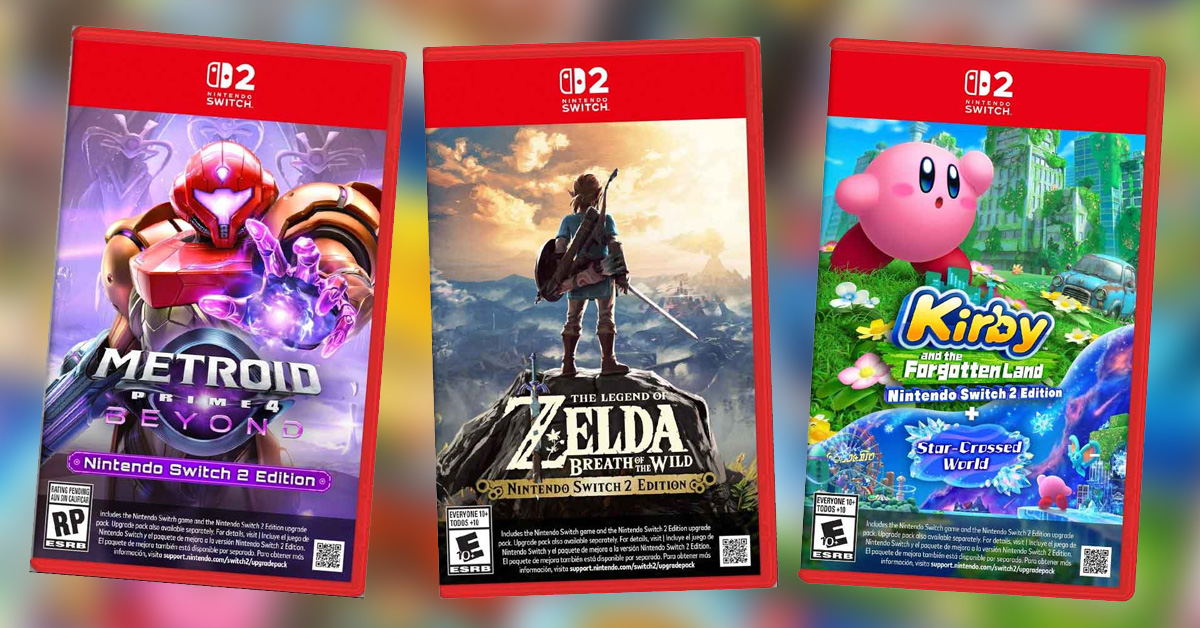
With the launch of the Nintendo Switch 2, Nintendo rolled out Switch 2 Editions. This new release version aims to keep value for current customers while making use of the new hardware. They’re upgrade packs added to existing Switch games, and you pay a fee to get the enhancements. It sounds like a good idea, but the real question is whether these Editions actually offer enough value for their price.
But when you look closer at the upgrades and their prices, questions arise. Is Nintendo really improving the player experience, or just charging again for small changes? Right now, it feels like players are being asked to pay for upgrades that don’t offer enough clear benefits, which makes these Editions seem less valuable.
Today I’m going to dive into the topic of Switch 2 Edition games, and I’d love to hear your thoughts in the comments below.
What a Switch 2 Edition actually is
A Switch 2 Edition is basically a bundle with the original game and an upgrade pack that improves it for Switch 2. If you already have the original game, you don’t need to buy the whole bundle. You can just get the upgrade by itself. The upgrade unlocks features that only work on Switch 2, while the base game still works on the original Switch.
The upgrades themselves can vary widely depending on the game. Sometimes you get better resolution, higher frame rates, and HDR support. Other times, you get new modes, new control options like mouse input, or even brand-new content. This variety is key because not all upgrades are equal, and not all of them feel worth the price.
The performance upgrades problem
Let’s look at the most straightforward examples: The Legend of Zelda: Breath of the Wild and The Legend of Zelda: Tears of the Kingdom. Both games got Switch 2 upgrades for about £7.99, and the improvements are what you’d expect: higher resolution, better performance, HDR support, and integration with the Zelda Notes service. Great value for Zelda lore fans.
These upgrades sound good, but there’s a catch. Players now expect these kinds of upgrades to be free. In the gaming industry, new hardware often improves older games automatically. So when Nintendo charges even a small fee for a performance patch, it can frustrate players.
The upgrades aren’t bad, but they aren’t game-changing either. Asking players to pay for what seems like a basic improvement makes people question if it’s really worth it.
When upgrades actually feel worth it
Not every Switch 2 upgrade is just about better performance. Some upgrades offer more and actually feel worth it. For example, Kirby and the Forgotten Land adds a whole new story expansion called Star-Crossed World, along with better graphics. It’s extra content that really adds to the game.
Super Mario Party Jamboree brings in Jamboree TV, new modes that use the camera and microphone, and new ways to play that you can’t get on the original hardware. These changes actually change how you play, not just how the game looks.
Metroid Prime 4: Beyond takes advantage of the Switch 2’s power to offer 4K resolution, up to 120 FPS, and mouse-style controls. This is a real next-gen upgrade that changes how the game looks and feels.
That’s the main difference. When upgrades add new content or new ways to play, they make sense. Without those, they just feel optional.
The pricing inconsistency
One of the biggest problems with Switch 2 Editions is that the prices aren’t consistent. These upgrades can cost anywhere from a few pounds to almost £17, and there’s no clear reason for the pricing.
For example, the Animal Crossing upgrade costs about £4.19 and focuses mainly on basic enhancements, while the Zelda upgrade costs £7.99 and offers performance improvements and integration with Zelda Notes. Larger expansions like Kirby and Mario Party cost up to £16.99 and deliver significant new features and content.
When a £7.99 upgrade only gives you better performance, but a slightly more expensive one adds new gameplay, the mid-priced upgrades feel out of place. Players end up directly comparing the value of each option.
This lack of consistency makes it harder for players to trust the system.
The hidden hardware barrier
There’s another detail that’s easy to miss. These upgrades only work on Switch 2. So even if you own the game and the upgrade, you still need the new console to use the enhanced features.
Also, some new features need extra accessories. For example, CameraPlay needs a USB-C camera. You need the game, the upgrade, the new console, and sometimes extra hardware to get everything. Even if each step makes sense on its own, all together it can feel like a lot.
What Nintendo is really doing here
If you look at the bigger picture (from Nintendo’s POV), this isn’t about upgrades. It’s about helping players move from Switch 1 to Switch 2 without losing their old games. Nintendo is using Switch 2 Editions to make that transition easier.
At the same time, this approach lets Nintendo keep its biggest games relevant, show off new hardware features, and make more money without having to remake games from scratch. From a business perspective, it’s a smart move. But for players, it’s a balancing act. Whether this works depends on if the upgrades feel fair, meaningful, and worth the price.
Sometimes the Switch 2 Editions can really miss the mark and show Nintendo’s intentions in a more obvious way. Take the recent Super Mario Wonder Switch 2 Edition Meet up in Bellabell park. They’ve added a whole bunch of multiplayer modes and a 4k upgrade. Sounds good on paper. But it feels much more like Nintendo wanted to get something out to the audience in time for the Super Mario Galaxy movie; they’ve taken the latest 2D Mario game and added minimal features, when fans were asking for new levels, not multiplayer modes. This Switch 2 Edition doesn’t feel valuable; it feels like a corporate cash grab.
Are Switch 2 versions worth it?
So, are Switch 2 versions worth it? If an upgrade gives you new content, modes, or gameplay, it’s easy to recommend. Those feel like real additions—something new, not just more of what you already had. Out of all the Switch 2 Editions I have seen, Kirby and the Forgotten Land feels the most valuable to me.
But if the upgrade only improves resolution, performance, or adds small features, it’s harder to justify paying extra, especially since these changes are often free on other platforms.
Switch 2 Editions are inconsistent. Some are great, while others feel unnecessary. Until Nintendo offers a clearer and more consistent value, players will keep wondering if these upgrades are really worth the money.
If Nintendo focuses on meaningful expansions and new features that clearly add value, Switch 2 Editions could become a main reason to upgrade.
But if Nintendo keeps charging for basic improvements, Switch 2 Editions could end up feeling like players are paying for things that should have been standard, which would hurt the value they promise.
This will shape how people see the Switch 2 for years to come.
Leave a Reply