
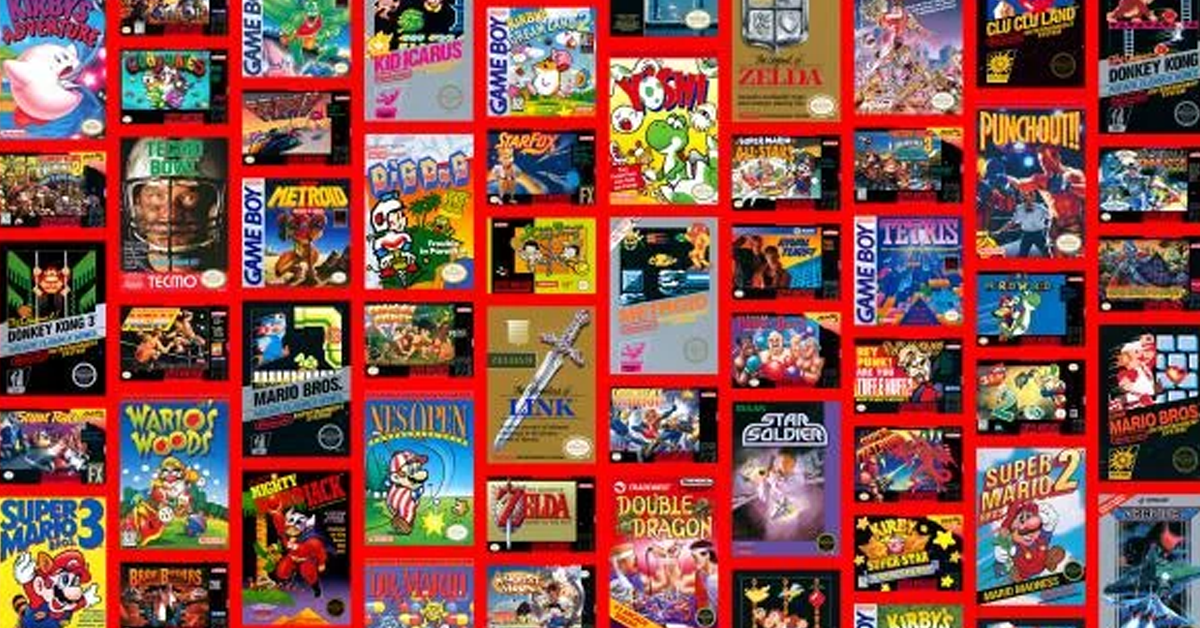
Nintendo Switch Online has a huge library of games that featured on Nintendo Entertainment System, Super Nintendo, Gameboy, Nintendo 64, Sega Genesis and Gameboy Advance. We all know about the big Nintendo first party titles like Super Mario 64, A Link To The Past and Super Mario Bros 3. But what about the hidden gems? Today I’m going to run through some of my favourite hidden gems from Nintendo Switch Online and share them with you.
Vice: Project Doom (Nintendo Entertainment System)
Vice: Project Doom is a criminally overlooked action game for the NES that blends multiple genres into a surprisingly cohesive and cinematic experience. You play as Detective Hart, unraveling a sci-fi conspiracy involving alien bio-weapons and corporate corruption. The game features side-scrolling action levels reminiscent of Ninja Gaiden, intense top-down driving sequences à la Spy Hunter, and even first-person rail shooter stages. Its slick cutscenes, tight controls, and varied gameplay make it feel like three games in one, all held together by a gritty cyber-noir narrative. Released late in the NES’s life cycle in 1991, it was overshadowed by the arrival of the SNES—it deserves a second look via Nintendo Switch Online.
S.C.A.T. (Nintendo Entertainment System)
S.C.A.T.: Special Cybernetic Attack Team is a high-octane sci-fi shoot-’em-up released for the NES in 1990 (developed by Natsume), and it’s one of the most polished and underappreciated gems on the system. Set in a dystopian future where Earth is under siege by alien forces, you play as one of two cybernetically enhanced commandos—either Arnold or Sigourney, a clear nod to Terminator and Aliens—tasked with saving humanity from annihilation. Despite its quality and polish, S.C.A.T. slipped under the radar, partly due to its unfortunate title and limited marketing. But today, it’s rightly seen as one of the NES’s best late-era action games—fast-paced, fair, and full of personality.
Mega Man V (Gameboy)
Mega Man V (Game Boy) is one of the most ambitious and unique entries in the entire Mega Man franchise, and a standout hidden gem in the Game Boy library. Released in 1994, it broke away from the series’ typical formula of reusing bosses and stages from the NES games. Instead, Mega Man V introduced an entirely original storyline, bosses, and mechanics—a rarity for the handheld titles, which were often seen as spinoffs or remixes. Visually, the game pushes the Game Boy’s hardware to its limits with detailed sprites and smooth animation, and the music is top-tier, with original tracks that rival the series’ iconic NES themes. Because it was released so late in the Game Boy’s life cycle and had a limited print run, Mega Man V is often overlooked—but it’s easily one of the finest and most creative 8-bit Mega Man experiences
Gargoyle’s Quest (Gameboy)
Gargoyle’s Quest is a dark fantasy action-RPG hybrid for the Game Boy, released by Capcom in 1990. It’s a spin-off of the Ghosts ’n Goblins series, but instead of playing a heroic knight, you control Firebrand, a red demon (also known as the Red Arremer) who was one of the most feared enemies in the original series. In this game, however, Firebrand is the protagonist on a mission to save the Ghoul Realm from a mysterious threat known as the Destroyers. Rather than just being a spin-off, Gargoyle’s Quest established its own lore and identity, eventually leading to a more elaborate sequel (Gargoyle’s Quest II) and the cult classic Demon’s Crest on SNES. It’s a challenging, stylish, and inventive game that feels ahead of its time—and easily ranks as one of the most rewarding hidden gems available on Nintendo Switch Online.
Joe & Mac 2 Lost in the Tropics (Super Nintendo)
Joe & Mac 2: Lost in the Tropics is a colorful and quirky side-scrolling action-platformer released for the Super Nintendo in 1994. It’s the third game in the Joe & Mac series (despite the “2” in the title), and it refines many elements from its predecessors while adding a surprising amount of depth for a game that looks like a cartoonish caveman romp. You play as either Joe or Mac, two club-swinging, prehistoric dudes on a mission to recover a stolen crown from a rival caveman clan. The game sticks to classic run-and-jump mechanics but enhances them with more responsive controls and better hit detection than the original. Where Lost in the Tropics really surprises is in its RPG-lite features: you collect coins to buy items, give gifts to potential wives, and even raise a child—adding a layer of humor and progression that sets it apart from more linear platformers.
Often overshadowed by more famous SNES platformers, it’s a delightful hidden gem that stands out for its mix of action, humor, and unexpected simulation elements—definitely worth checking out on Nintendo Switch Online.
Wild Guns (Super Nintendo)
Wild Guns is a stylish, fast-paced shooting gallery game for the Super Nintendo, released by Natsume in 1994. It blends Wild West aesthetics with sci-fi flair, creating a unique steampunk western setting filled with robot gunslingers, futuristic gadgets, and explosive action. You play as either Clint or Annie, two sharp-shooting bounty hunters out for revenge, blasting their way through waves of enemies in saloon towns, train yards, and robot-infested deserts.
Gameplay-wise, Wild Guns is a third-person shooting gallery—you move your character left and right along the bottom of the screen while aiming a crosshair and firing into the background. Dodging enemy fire is crucial, as you must jump, duck, and roll while maintaining a steady offense. Power-ups, screen-clearing bombs, and bonus weapons keep the action dynamic. The challenge is real, but the game is fair, tightly designed, and deeply satisfying, especially in two-player co-op mode.
Panel De Pon (Super Nintendo)
Panel de Pon is a beautifully crafted, fast-paced puzzle game originally released in Japan for the Super Famicom in 1995. While Western players may recognize it as Tetris Attack, the Japanese version stands apart with its own distinct fantasy theme, cast of characters, and visual flair. At its core, it’s a match-3 tile-swapping puzzle game, but its depth, speed, and combo mechanics make it one of the most addictive and skill-based puzzle titles on the Super Nintendo.
What makes Panel de Pon special is its fluid control, tight mechanics, and charming aesthetic. The pastel visuals, whimsical character animations, and vibrant music create a joyful atmosphere that contrasts its intense competitive potential. While Tetris Attack re-skinned the game with Yoshi’s Island characters for its Western release, the original Panel de Pon retains a unique identity and remains a beloved classic in Japan.
Ristar (Sega Megadrive/Genesis)
Ristar is a vibrant and inventive platformer for the Sega Genesis, released by Sega in 1995. Developed by Sonic Team, it was overshadowed by the late-stage hype of the 16-bit era and the arrival of the Sega Saturn—but in retrospect, it’s one of the finest platformers on the system. Rather than relying on speed like Sonic, Ristar offers a more methodical and creative approach to action-platforming, centered around its titular hero’s stretchy, grab-based mechanics.
You play as Ristar, a living star sent to save the Valdi System from the evil tyrant Greedy. Instead of jumping on enemies, Ristar reaches out with his long, extendable arms to grab and slam foes into submission. He also uses his arms to swing from poles, climb ladders, grab ledges, and launch himself across gaps—making the game feel dynamic and full of motion, but in a way that rewards rhythm and timing over raw speed.
Despite glowing critical reception, Ristar didn’t get the spotlight it deserved at release. But today, it’s widely regarded as a hidden gem and a showcase of late-era Genesis brilliance. It’s available via Sega Genesis on Nintendo Switch Online, and it’s an essential play for anyone who loves clever level design, expressive animation, and creative mechanics.
Kuru Kuru Kururin (Gameboy Advance)
Kuru Kuru Kururin is a delightful and deceptively challenging puzzle-action game for the Game Boy Advance, released in 2001 (though only in Japan and Europe initially). In this offbeat gem, you control a slowly rotating stick—called the Helirin—as it navigates through narrow, maze-like courses without touching the walls. The twist? The stick is always spinning, and you have to carefully time your movement and rotation to avoid crashing.
What makes Kuru Kuru Kururin stand out is its original gameplay concept, paired with charming visuals and a catchy, upbeat soundtrack. Its colorful presentation and quirky aesthetic make it approachable, but underneath the cute exterior lies a game that demands real skill and patience—especially in the later levels.
Golden Sun (Gameboy Advance)
Golden Sun is a beloved, turn-based RPG for the Game Boy Advance, developed by Camelot Software Planning and released in 2001. Often hailed as one of the finest original RPGs on a handheld console, it blended classic JRPG mechanics with innovative systems, rich world-building, and some of the most impressive visuals and music ever achieved on the GBA.
Golden Sun’s turn-based battle system is traditional on the surface but enriched by its unique Djinn system. Players collect elemental creatures called Djinn, which can be equipped to change a character’s stats, unlock new classes, and unleash powerful summons in battle. Beyond combat, Psynergy is also used in exploration and puzzles, giving dungeons a Zelda-like feel as you manipulate the environment to progress.
Golden Sun was a critical success and gained a loyal fanbase, spawning a direct sequel (Golden Sun: The Lost Age) and a later DS follow-up. Now available on Nintendo Switch Online’s GBA library, it remains one of the crown jewels of handheld RPGs—a must-play for fans of classic role-playing adventures.
Jet Force Gemini (Nintendo 64)
Jet Force Gemini is an ambitious and action-packed third-person shooter for the Nintendo 64, developed by Rare and released in 1999. Known for pushing the technical and artistic limits of the N64, it combines sci-fi combat, exploration, and platforming into a sprawling space opera. The game follows three playable characters—Juno, Vela, and their dog Lupus—members of the intergalactic peacekeeping force Jet Force Gemini, as they battle an evil insectoid empire led by the grotesque tyrant Mizar.
One of the most distinctive aspects of the game is the requirement to rescue every Tribal (tiny bear-like creatures) to access the final boss, which was controversial but added a layer of completionist challenge. Jet Force Gemini was critically acclaimed for its scope and originality, though its difficulty and design complexity made it less accessible than other Rare hits like Banjo-Kazooie or GoldenEye.
Banjo-Kazooie (Nintendo 64)
Banjo-Kazooie is a critically acclaimed 3D platformer for the Nintendo 64, developed by Rare and released in 1998. It’s widely regarded as one of the best games of its generation, known for its colorful worlds, tight platforming, clever puzzles, and endearing characters. Often seen as a spiritual successor to Super Mario 64, Banjo-Kazooie took the 3D platformer formula and expanded on it with greater variety, personality, and charm.
You play as Banjo, a laid-back bear, and his wisecracking bird companion Kazooie, who lives in his backpack. Together, they set out on a quest to rescue Banjo’s sister, Tooty, from the evil witch Gruntilda, who plans to steal Tooty’s beauty through a magical machine. The duo explores nine large, open-ended worlds, each filled with collectibles like Jiggies (jigsaw pieces), musical notes, Jinjos, and more. The game encourages exploration, experimentation, and curiosity, rewarding players for solving environmental puzzles, completing minigames, and discovering secrets.
What sets Banjo-Kazooie apart is the dynamic duo’s moveset, which expands throughout the game. Kazooie enables Banjo to run faster, jump higher, shoot eggs, and fly with red feathers—abilities that are often crucial for navigating terrain and defeating enemies. The game’s controls are smooth and intuitive, making platforming feel satisfying and fun.
Banjo-Kazooie is a must-play gem of the N64 era and a shining example of Rare’s golden age, offering a timeless blend of adventure, humor, and heart.
Let me know what you think in the comments and share your hidden gems on Nintendo Switch Online.
Leave a Reply