
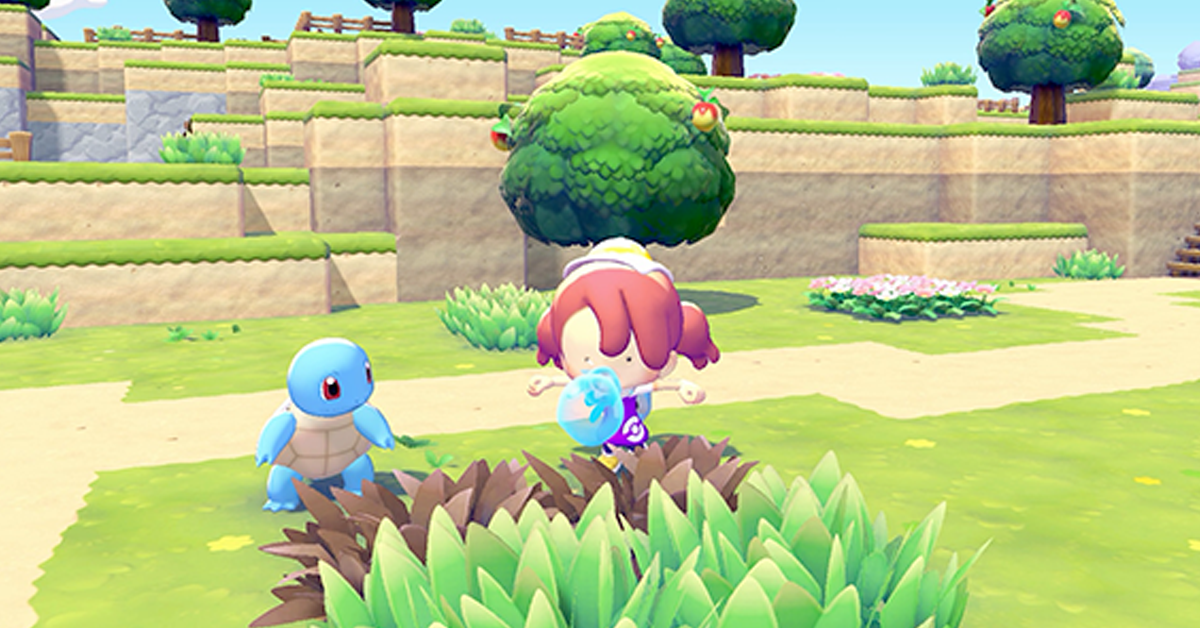
Nintendo’s Treehouse Live on Tuesday, February 24th, 2026, pulled back the curtain on Pokémon Pokopia. The team tackled the game’s biggest mysteries through extended gameplay and behind-the-scenes moments, revealing what really awaits after hours of play. Today I’m diving into every exclusive Pokopia detail Treehouse revealed—and why each matters as launch approaches.
If you like this then subscribe for more. Without further delay, lets dive into the Pokémon Pokopia details.
Persistent Multiplayer Servers
To begin with, one of the biggest talking points around Pokopia has been its ‘persistent server’ structure. Treehouse finally provided confirmation. Treehouse also implied that these servers aren’t meant to be chaotic free-for-alls. There’s structure. There’s a sense of “place” and progression, where certain areas develop over time and where the community’s contributions feel additive.
It makes Pokopia feel more like a collaborative Pokémon village experience — almost like Nintendo is trying to capture the “shared island” magic of Animal Crossing, but with more systems, more growth, and way more player expression. If Nintendo nails the stability and moderation side of this, it could become the most social Pokémon game we’ve ever seen.
Crafting and Resources
Next, Treehouse spent real time revealing Pokopia’s crafting menus, underscoring its deep resource system. What distinguishes Pokopia’s resource system is its integration with Pokémon themselves—from crafting to collecting. Treehouse footage demonstrated how Pokémon types and abilities directly influence resource gathering, intertwining core Pokémon mechanics with sandbox gameplay.
Pokémon Utility
Building from that, the most exciting thing Treehouse highlighted—perhaps unintentionally—was how integral Pokémon abilities have become. These are tools that are woven into everyday interactions, settlement operations, and exploration.
This is important because it means Pokopia is making Pokémon abilities part of how the world works. You don’t just have a Water type—you use it to solve problems. You don’t just own an Electric type—you use it to power your systems. This kind of design makes the game feel true to Pokémon, even if it’s not a main series title. If fans like this feature, it could shape future games. If Pokopia shows that Pokémon abilities can be deeper and more modern than old HMs, this idea might not stay just in a spin-off.
Dynamic Co-Op Events
Treehouse also hinted at something that could keep players coming back: dynamic events in the shared world. These didn’t look like typical “live-service” events with pressure to join in. The gameplay showed that special Pokémon spawns, resource boosts, and co-op encounters can happen across the server. This means Pokopia is a living world that offers new reasons to gather, explore, and work together.
If this system works well, it fits perfectly with Pokopia’s goals. Persistent online games can get repetitive after the newness fades. Dynamic events keep the community active. They create moments players want to talk about, screenshot, and share. This makes the world feel less like a simple editor and more like a place with its own life. In a Pokémon game, these events could make Pokopia feel like a real adventure rather than just a building game.
Performance & Technical Stability
Let’s talk about performance. The Treehouse footage looked smoother than many expected. It could be the difference between Pokopia being just a novelty or a real hit. The world streaming looked stable. Transitions didn’t show obvious loading issues. The frame rate stayed steady, even during moments that usually cause problems, like moving around, multiplayer, and lots of on-screen action.
Of course, we should be careful until the game is actually out. But Treehouse shows what Nintendo feels confident showing, and that’s usually a good sign. If Pokopia launches with stable online play, good performance, and few problems, it could quickly win over players who have been disappointed by technical issues in recent Pokémon games. If that happens, people won’t just say “this is cute”—they’ll say “this is the model.”
Player Identity & Social Systems
Another big takeaway from Treehouse is that Pokopia puts a lot of focus on player identity. Customisation is a main part of the game. There are many cosmetic options, deeper housing, and interior design. There are ways to show your identity to others on the server. This fits with everything else. Persistent worlds only work if players feel connected to them and to each other.
This is where Pokopia starts to feel inspired by Nintendo’s best social games. Animal Crossing showed that the community is the real content. Mario Maker proved that what people build is the heart of the game. Splatoon showed that identity, style, and social energy can drive a whole ecosystem. Pokopia aims for that same magic, with Pokémon bringing it all together.
What Does This Mean Before March 5th?
After Treehouse, Pokopia no longer feels like a “wait and see” experiment. The systems connect. Pokémon utility feeds into crafting. Crafting feeds into settlement growth. Settlement growth feeds into social play. Social play feeds into persistent servers and dynamic events. Suddenly, you can see the full loop—the thing you’ll actually be doing night after night if the game clicks.
That’s why this Treehouse was so important. It clearly explained the game. It showed us what Pokopia looks like as a real, lived-in experience, not just a trailer. If Nintendo’s online systems and community management can support it, Pokopia could become one of the most important Pokémon releases in years.
Start of a New Era for Pokémon Spin-Offs
That’s the main takeaway from Treehouse: persistent worlds that really last, deep crafting, modern Pokémon abilities, dynamic events that keep things fresh, and technical performance that looks better than expected. If you were unsure before, this Treehouse answered the big question: “What do you actually do in this game?”
Now I want to hear from you: what surprised you most about Treehouse Live? Are you planning to play Pokopia solo, or will you dive into the server community? Share your thoughts below, and if you want more Pokopia coverage before March 5th, subscribe to Power-Up Direct—we’ll have plenty more as launch approaches.
Leave a Reply