
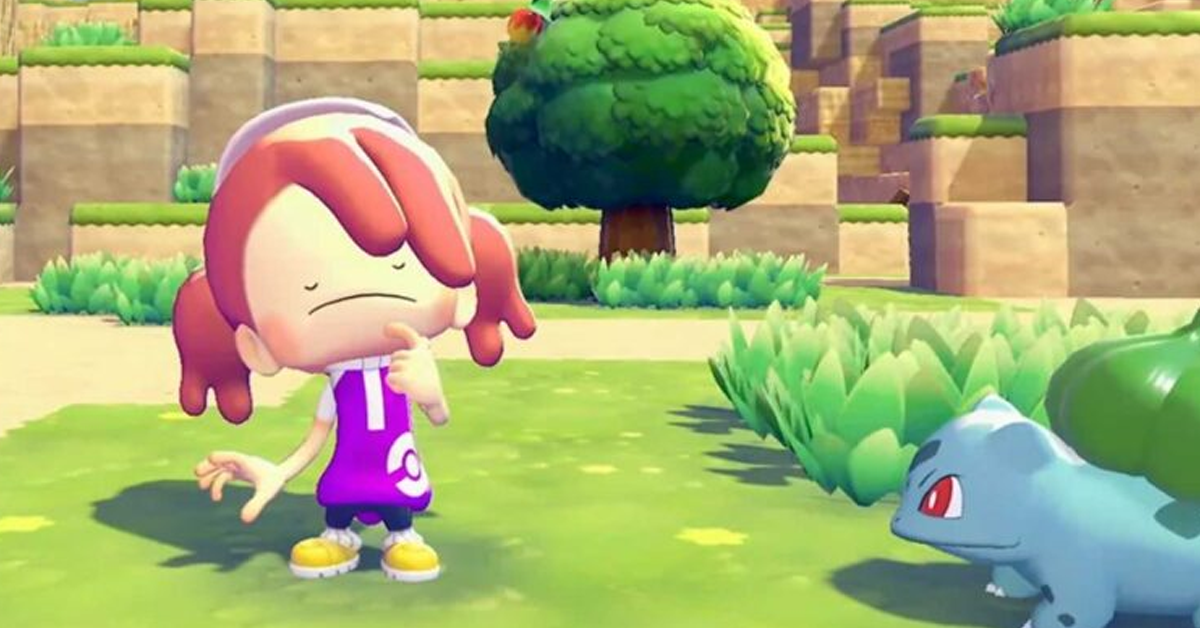
Yesterday, the preview embargo for Pokémon Pokopia lifted. The industry’s response has been very positive. IGN, Polygon, Video Games Chronicle, and Game Informer shared their hands-on impressions within hours of each other. The reactions are similar: people are surprised, really excited, and starting to think this could be more than just a quirky spin-off. Excitement is clearly growing as the launch approaches on March 5th.
To understand why Pokémon Pokopia is generating such strong reactions, I’ll examine what the previews are saying, explore how this reception differs from recent Pokémon games, and consider whether Pokopia could rank among the franchise’s most significant releases in years.
This Isn’t The Pokémon Game People Expected
When Pokopia was first announced, people had mixed feelings. A life-sim about housing, decorating, and living with your Pokémon didn’t seem like an obvious hit. The series is known for gym battles and competition. This new direction felt very different. But previews suggest it isn’t just a gimmick. It could be one of the best Pokémon spin-offs we’ve seen in years.
Instead of focusing on combat and progression, Pokopia is about companionship and creativity. You’re not travelling from region to region for badges. You’re building a home with your Pokémon. You design houses, shape neighbourhoods, and create routines that change over time. Several previews say it’s deeper and more engaging than expected. What looks like a simple side project actually has complex systems underneath. This change from doubt to excitement is a strong sign that Pokopia could be something special.
The World Feels Alive In A Way Pokémon Has Struggled To Achieve
A common theme in the previews is the world’s liveliness. Pokémon don’t just repeat the same animations in the background. They move with purpose, reacting to furniture, the environment, and the time of day. Outlets highlight moments when Pokémon interact with objects or explore areas that fit their personalities, making them feel like real companions rather than just collectables.
Pokémon games have struggled with immersion for years. The creatures are iconic, but their worlds often feel stiff or scripted. If Pokopia can make Pokémon seem like they have real behaviours, even within set systems, it’s a big step forward. The previews suggest the developers focused on making Pokémon act naturally. This could make the game feel more emotionally engaging.
Customisation Is More Than Cosmetic
At first, Pokopia’s customisation looks like a typical life-sim. You place furniture, change wallpaper, and decorate as you like. Several previews point out that these choices aren’t just for looks. Some Pokémon react differently based on their surroundings. Certain species do better in open spaces. Others like enclosed or themed rooms, and small details in the environment affect their behaviour.
That dynamic transforms customisation from decoration into strategy. Instead of simply designing a house that looks good, players are encouraged to think about functionality. It becomes less about personal expression alone and more about creating spaces that nurture specific Pokémon personalities. This adds a layer of experimentation that could sustain long-term engagement. When optimisation is framed around care and environmental harmony rather than combat statistics, it offers a fresh form of progress. It still taps into the franchise’s core appeal.
Technical Confidence On New Hardware
Another thing that often comes up in previews is how stable the game runs on the Switch 2. Recent Pokémon games have faced criticism for issues such as inconsistent frame rates, graphic pop-in, and long loading times. However, several previews noted that Pokopia delivered a stable experience during their play sessions. Frame rates remained steady without noticeable dips, load times were short, and the visual presentation appeared consistent throughout the demo.
The visual style leans into vibrant colour palettes, and the game uses bright colours and expressive animation instead of aiming for super-realistic graphics. This seems like a clear choice. Rather than pushing for high-end visuals that might hurt performance, Pokopia goes for a style that fits its life-sim feel. If the game stays this consistent at launch, it could help rebuild trust in the franchise’s quality.
The language used across outlets conveys genuine surprise. Writers openly admit they weren’t sure what to expect going in, but they left impressed by the experience’s cohesion. That shift from uncertainty to endorsement is great news for Pokémon fans. Preview cycles often contain cautious optimism or carefully worded praise. Here, the enthusiasm feels less restrained.
Of course, this doesn’t guarantee long-term success. Preview sessions are carefully set up. Still, many different outlets praise the same things—building, interacting, optimising, and bonding. This suggests the main gameplay is fun even in a short demo. If a game’s basics work well early on, it’s usually a good sign for the whole idea.
One of the most interesting ideas from these previews is the role Pokopia could have in the larger Pokémon world. Main games focus on competition and story. This one could be something else—a comfort game. It might be the kind of game players come back to between big releases. It offers a relaxing space instead of pressure.
If the game adds more Pokémon, seasonal events, or community features after launch, Pokopia could become a long-term platform instead of just a one-time spin-off. This kind of ongoing support could help the franchise balance intense gameplay with more accessible options. It doesn’t replace the main Pokémon games. It adds something new alongside them.
March 5th Now Feels Like A Real Moment
Before the preview embargo lifted on March 5th, March 5th was simply a release date. Now it feels like a potential inflexion point. Momentum in the final weeks before launch is critical, and right now the conversation around Pokopia is optimistic, curious, and hopeful. That combination can be powerful, especially for a game that initially faced scepticism.
If the final game matches what these previews saw—realistic Pokémon behaviour, deep customisation, stable performance, and emotional impact—Pokopia might do more than just sell well. It could change what people expect from a Pokémon spin-off today.
That’s why this preview round-up matters. It doesn’t confirm success but suggests that, for the first time in a while, Pokémon might be evolving in an unexpected and genuinely exciting direction.
Leave a Reply